At Picnic, efficiency is the driver behind our sustainability initiatives. We continuously innovate solutions to cut waste and emissions across our operations, while making circularity easy for our customers.

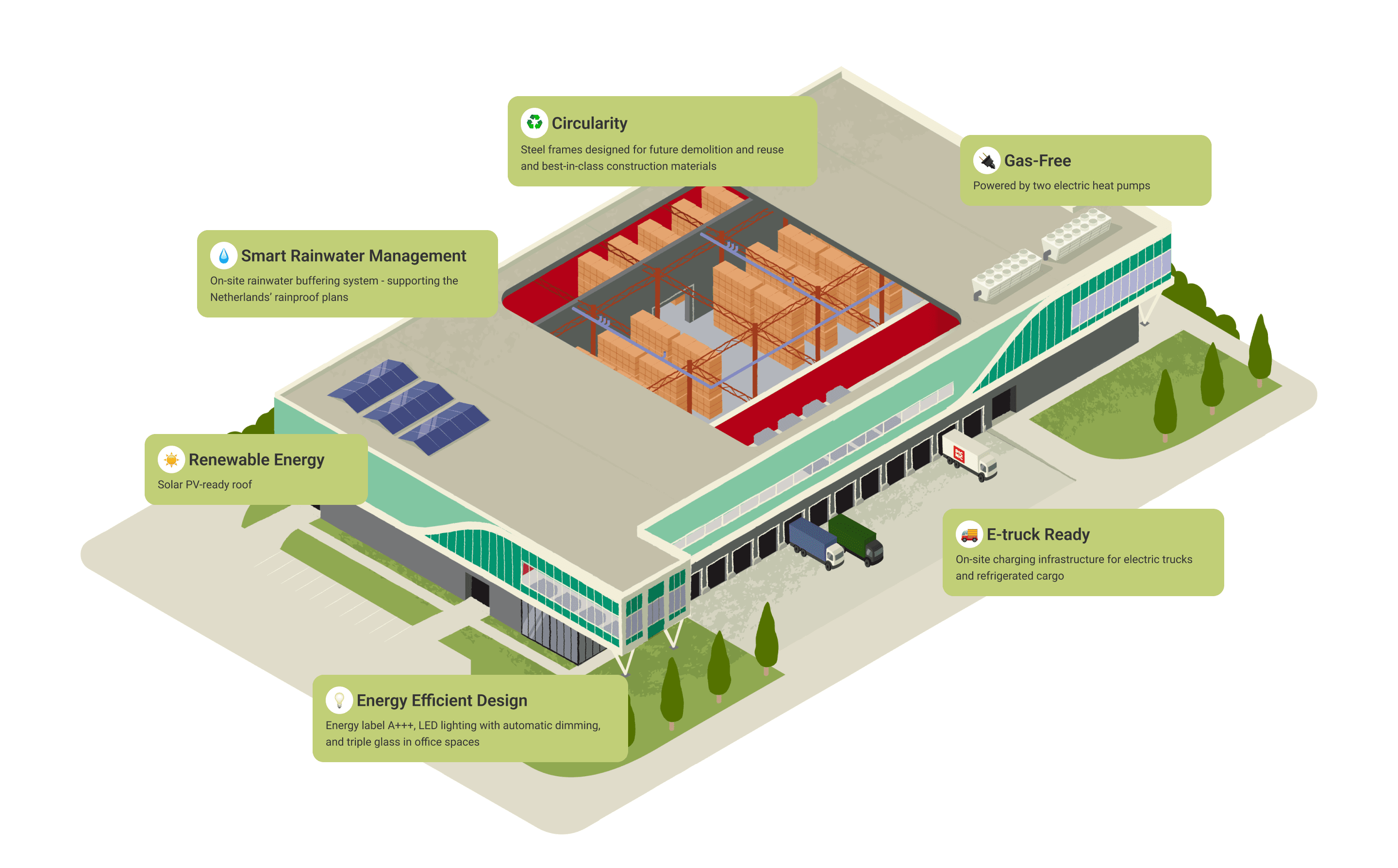
Our Climate Transition Plan targets a 42% reduction in GHG emissions by 2030 (vs 2023 ) — absolute for Scope 1 & 2, and intensity-based for Scope 3 — covering 100% of our emissions. We’re already taking action to get there. Translating climate goals into daily operations takes precision, innovation, and smart systems thinking — from solar panels and cold chain performance to last-mile logistics and data modelling. We tackle complex challenges and deliver real-world climate solutions.
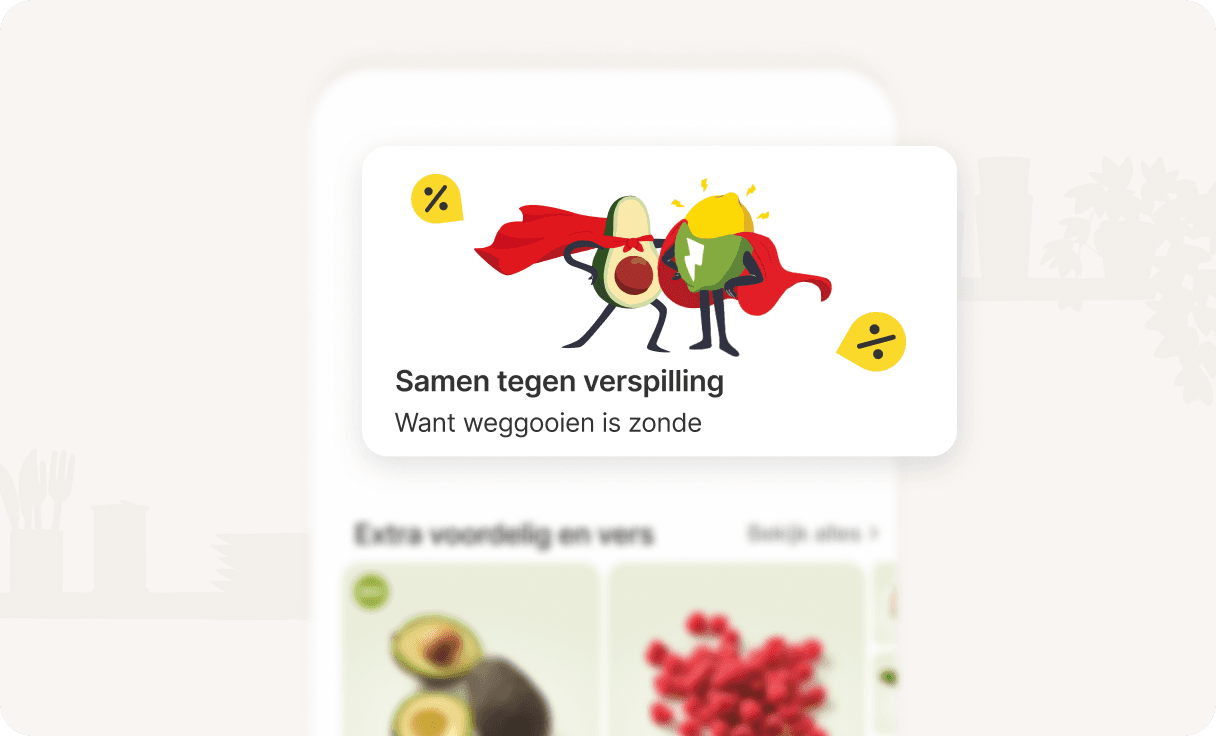
Waste means blocked operations, lost inventory, and frustrated teams. It also means wasted land, water, energy, and effort. When food gets tossed, so does everything that went into it. We fight food waste with precision and collaboration. Smart forecasting helps us better match supply to demand. Discount campaigns help prevent spoilage.When we can’t sell food, we reuse it in our own canteens, sell via through Too Good To Go, and donate to food banks. Products that can’t be diverted through reuse are directed to disposal. Inbound logistics teams play a critical role in this cycle, ensuring smooth, timely supply flows that minimize waste and keep operations efficient.
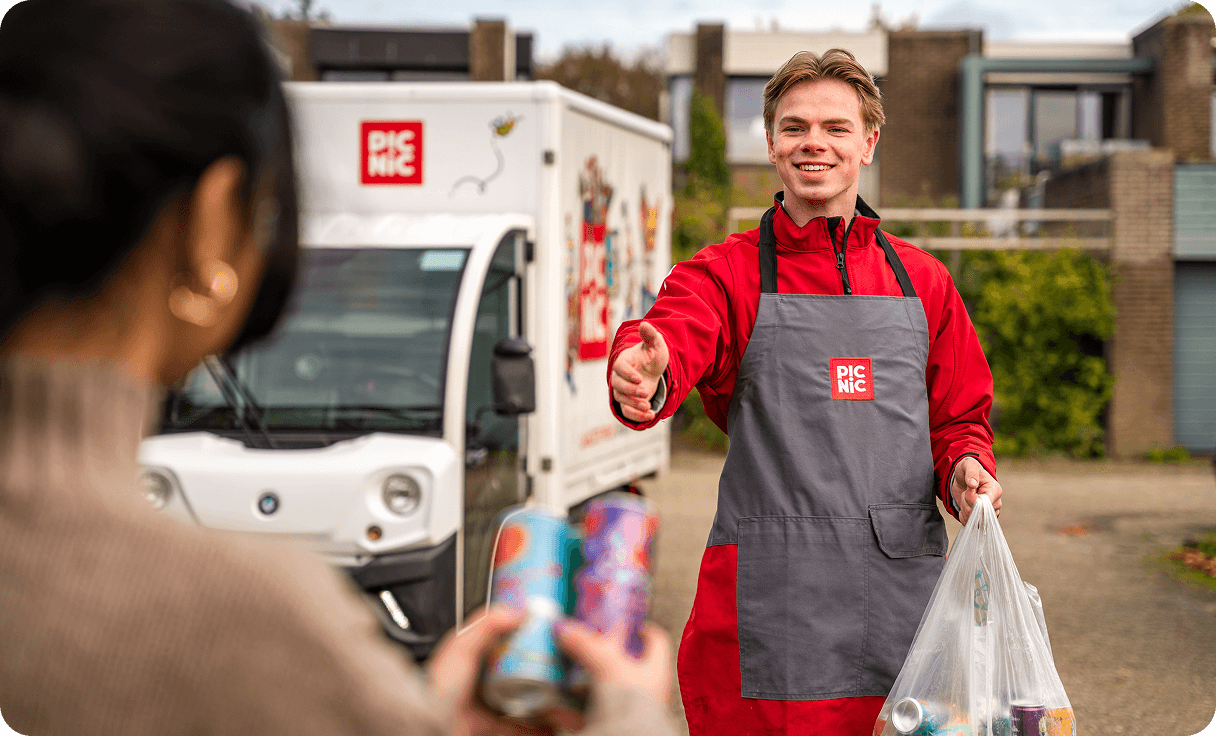
Our Closed Loop Project gives delivery bags a second life, cutting down on virgin plastic use. Over the lifetime of the project, we’ve recycled 83 million bags — saving around 860 tonnes of plastic. Picnic is the missing link in reverse logistics that can enable circularity. Through partnerships with DHL, PostNL, and Sellby, we’re turning our last-mile network into a first step toward a circular economy. Behind every circular service is the infrastructure to make it scale: from rethinking material flows to launching new customer offerings.